August's Editorial Advice Corner
As August approaches, so does my birthday. I have felt a simultaneous emotion of joy for the time honored tradition of love and attention from the people I know, and the evil shadow of 40 edging ever nearer. I feel both growly and overjoyed. Not entirely unlike the first round of edits an author will receive in any new manuscript. We feel satisfied, proud, and excited to get someone else’s eyes on our new creation. But there’s a darkness lurking in the corner of the inevitable news to follow: What we did wrong and how to change it. The first round of real edits may even come from ourselves. What do we do with that nasty grey cloud in the corner? How do we embrace it? What is the most helpful way to look at this information with acceptance? I have a few birthday presents I can pass out early, I’ve got your back!

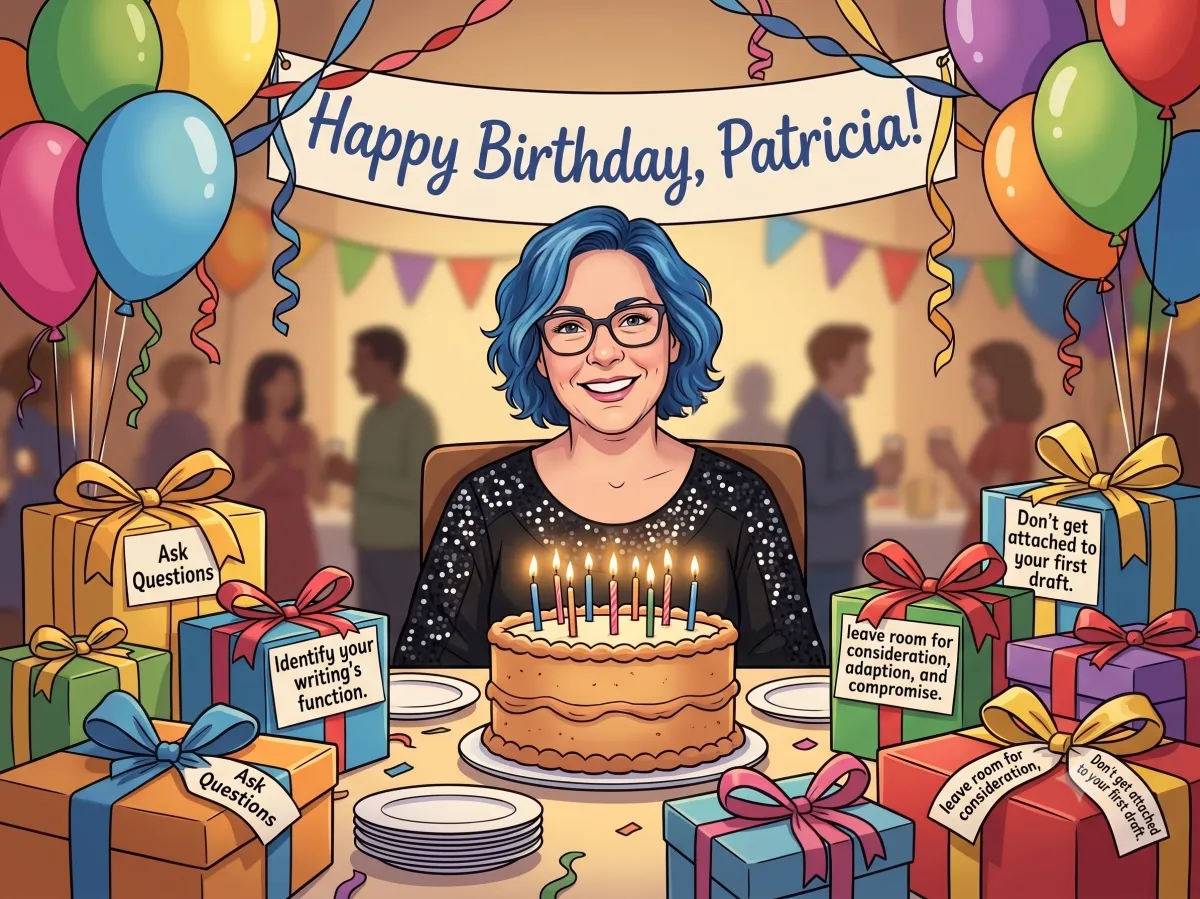
First of all, ask yourself questions! For every little highlight from your editor, we see choices made by the author during that first draft. Ask yourself what was the purpose of this decision. What function does it serve? Is there a more nuanced approach that could accomplish the same end goal? By asking questions we take away one of the most negative thoughts we’re likely to have hovering over us: “I’m a bad writer”. Nobody creates for no reason. We’re telling a story, expressing an emotion, or educating others. There’s a reason we make a creative decision and by identifying that reason we can look critically at it, and pivot to something different. By asking questions, we return power to ourselves and refuse to give it over to that darn lizard brain (the limbic system)!

Second, don’t use umbrella terms. Saying things like “It would be smarter to..” or “Don’t ever…” We paint ourselves into a corner using this terminology and when we have less wiggle room we tend to get frustrated with ourselves and even push back against suggestions. Leave room for consideration, a conversation, and understanding. By coming back to choices later, waiting until we have a fuller understanding, we create a safer atmosphere in which to consider all of our options. Barring pretty extreme circumstances, there’s usually room for adaptation and compromise.

Third, don’t get too attached to your first draft. This one is really tough to follow, even for an experienced writer. I find it a lot like trying to grow out my hair. You’re going to make cuts, and they’re usually going to happen frequently in a relatively short amount of time. When you hand over your manuscript, there will likely always be that little part of you that wants it to come back with nary comment. But, honestly, that usually just means your editor didn’t really do their job. When you hand in your manuscript assume it’s going to come back looking like it has chicken pox. Every single dot is helping you grow. Every question is helping you learn. More than anything, though, I find the best way to find this skill is to feel the pain of constructive criticism over and over and over again. Be tough. Be brave. Go into the breech often and eventually it won’t hurt so much when those edits come back. Plus, usually there are fewer with each and every round.
Enjoy your August friends, celebrate your own growth within your creative minds. As always, until we speak again, keep looking for that silver lining.
Patricia L. Hartman,
COE for Midnight Garden Publishing
CEO/Founder of Silver Lining Lotus