Experiences Equal Equity
For the past few months now I’ve been talking a lot about being intentional within your writing. Thinking of who your readers are, their age, and the purpose of the passage. This month I want to talk about how to save a little money while you’re doing this. It will cost time, but your writing will reflect the time and your readers will appreciate it. You might even end up learning things that open up new avenues for you or just cause further curiosity! What is this money saving madness I’m referring to? The madness of experience.
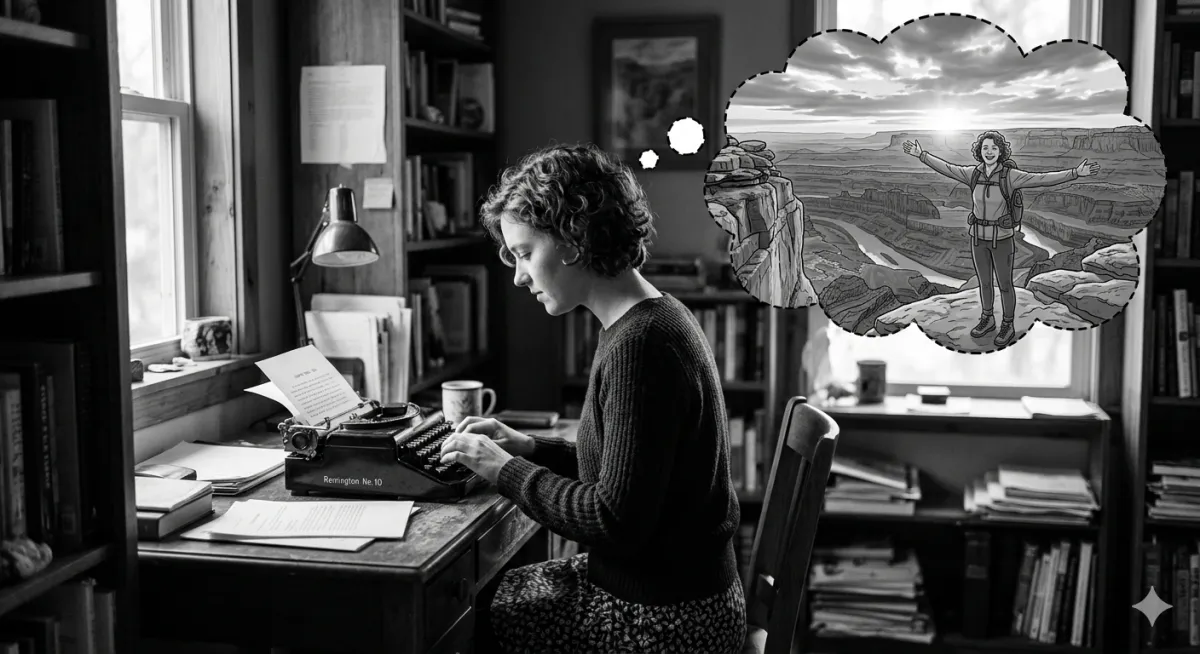
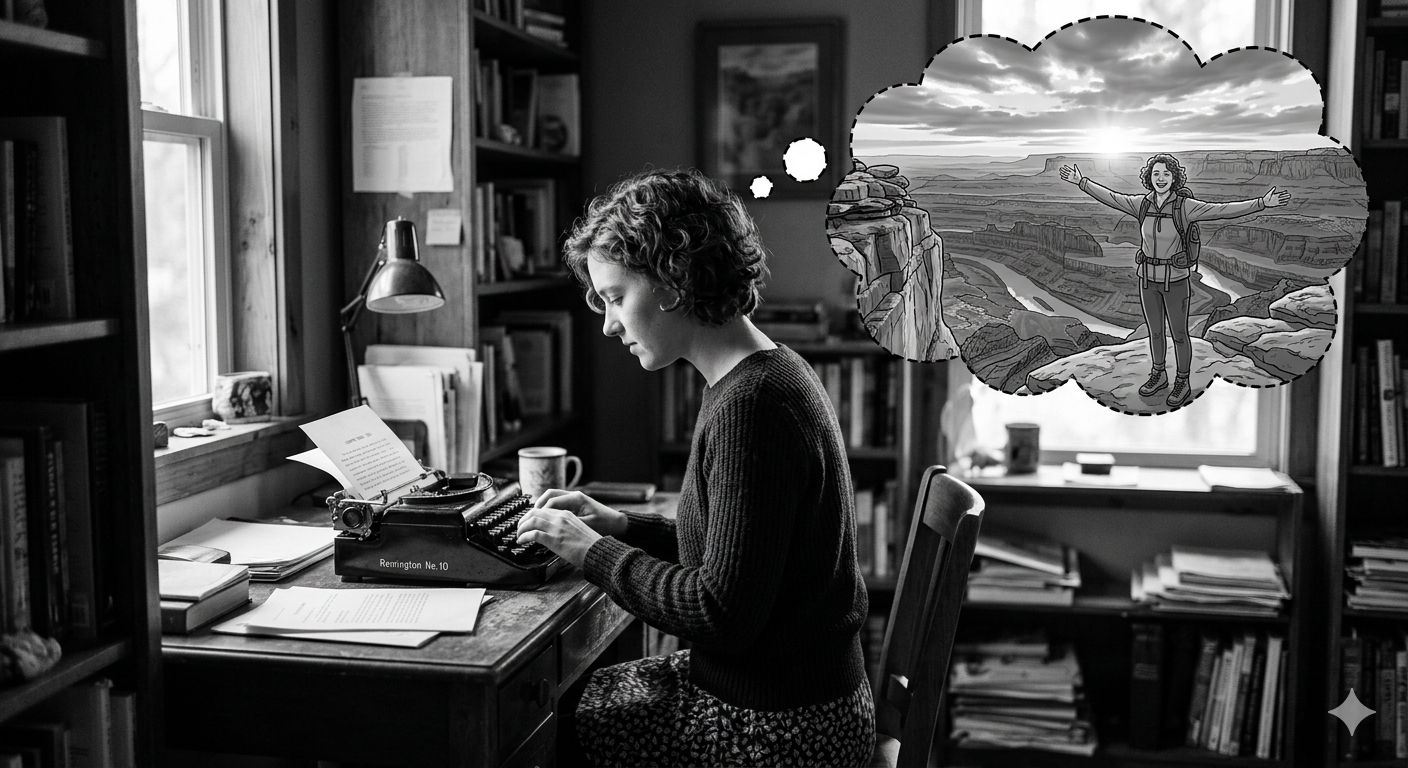
No matter whether you’re writing a self help book for how to organize homes, or a fantasy novel with aspects of the future or the past, or a nonfiction biography about Paris Hilton’s chihuahua; you’re giving writers an experience. Some people will advise a person to write what they know. But I would also dig deeper and say get to know what you’re writing about! Our interests aren’t solely within the sphere of what we’ve experienced in our lives. Our experiences will usually influence our interests in some ways, but we use it as a starting point.
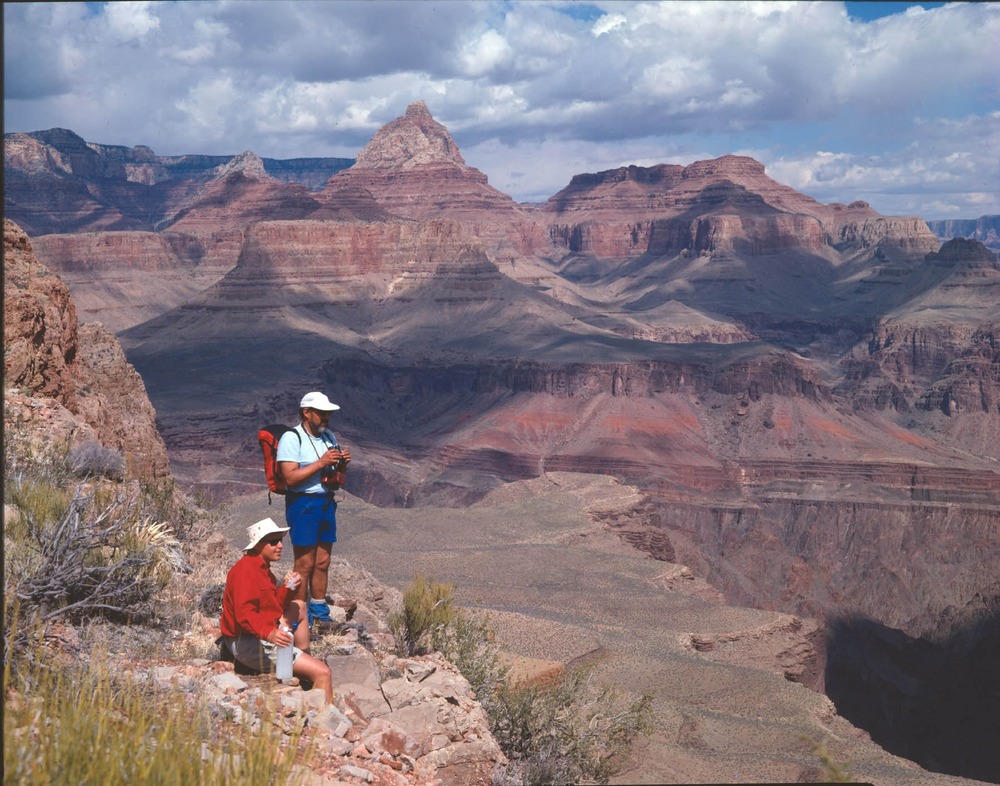
If your intention is to write a piece about impoverished communities in the 1900’s you might not be able to visit them, but you can watch documentaries, interview individuals who might still be living or ancestors of those who are. If you want to capture the raw interactions of what happens in an EMT response then consider a ride along and putting yourself in that experience. There are varying options, I’m not telling you to a white water rafter if you’re terrified of high stress situations, but research, interviewing, visiting sites, all of these things give you depth with which to write more fully developed material.
How will these field trips save you money? While developmental editing will still most likely be necessary, if you do this leg work on your own the amount of time your manuscript spends in the hands of professionals doing this research for you will melt exponentially. Suddenly your scenes are more realistic, more vibrant, speak with more authority and authenticity, and you know what you’re saying is true because you either saw it up close and personal or you spoke with someone who did.
This type of legwork is especially necessary for any type of nonfiction work, when dates and experiences actually happened or are continuing to happen. When writing a nonfiction piece, technical and specialized editing can be one of the most essential investments at your disposal, but also one the most expensive. Because it’s so important to make sure everything is entirely correct throughout the manuscript. Then it becomes a matter of choice, would you like to invest your time or wallet? Most of us would rather take the time. I know I would.
Go forth, fellow authors and have those adventures. Who knows? You might just find something new that piques your interest. I encourage you to visit your local libraries, museums, interview people with experience, and invest that time to know that your information is as well rounded as possible! I hope you all have a wonderful summer filled with life and possibilities, and keep looking for that silver lining as you do so!
Your friendly local hedge trimmer,
Patricia L. Hartman,
CEO/Found of Silver Lining Lotus Editorial
COE of Midnight Garden Publishing